

HOME >> News >> Industry news
Water-based epoxy resins, polyurethane, polyaniline, and other coatings have become mainstream organic coatings at present. However, during the curing and film-forming process, the evaporation of water and solvents creates tiny pores on the coating surface, providing channels for corrosive media and accelerating corrosion.
Graphene, a two-dimensional material composed of a single layer of carbon atoms, exhibits outstanding physical and chemical properties, including high strength, high electrical conductivity, high thermal conductivity, and excellent corrosion resistance. Its unique lamellar structure can effectively block the penetration of corrosive media such as H₂O and Cl⁻ from the environment, extending the service life of metal substrates and providing exceptional corrosion protection in RTO systems.

Coatings isolate metal substrates from the surrounding environment. Graphene, as a nanomaterial, can fill coating defects, effectively blocking the passage of gaseous atoms like water vapor and oxygen. Graphene itself also acts as a barrier against corrosive media.
Graphene can form a protective passive film with the metal substrate, enhancing the coating's protective capability and further improving corrosion resistance.
The addition of graphene improves the mechanical properties of polymer coatings, extending material service life.
Graphene sheets exhibit strong electrical conductivity. Electrons lost during the anodic reaction on the metal surface can rapidly transfer through the graphene sheets to the coating surface, allowing the cathodic reaction to occur directly on the coating surface. The generated OH⁻ remains on the coating surface without precipitating metal ions, thereby inhibiting the anodic reaction and slowing down metal corrosion.
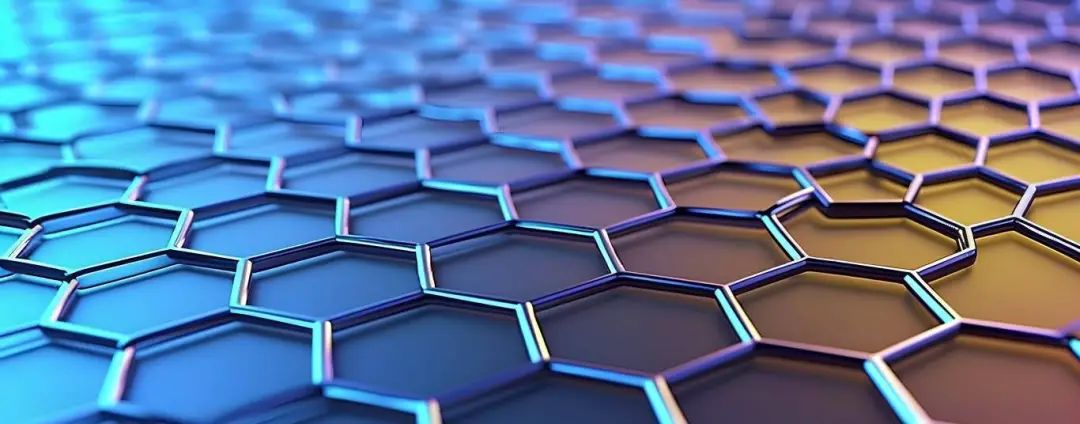
Graphene has strong chemical stability, resisting various corrosive media, including acids, alkalis, and salts. This makes graphene coatings highly effective in RTO systems, preventing equipment corrosion.
Graphene coatings adhere well to metal surfaces, reducing the risk of peeling or blistering. Additionally, graphene's high mechanical strength and flexibility allow it to adapt to equipment deformation and stress changes, minimizing coating cracking and delamination.
Graphene's high thermal conductivity and oxidation resistance ensure stable performance in high-temperature environments, protecting equipment from oxidative corrosion.
Graphene coatings are free from heavy metals and other harmful substances, aligning with green and eco-friendly requirements.
Graphene is combined with anti-corrosion materials using methods such as sol-gel processing or chemical vapor deposition (CVD) to produce high-performance coatings.
Before applying graphene coatings, metal surfaces in RTO systems should undergo pretreatment (cleaning, rust removal, degreasing) to ensure smooth, contaminant-free surfaces for better adhesion and durability.
Follow standardized processes to ensure uniform, dense, and defect-free coatings. Application methods include automated spraying, dip coating, self-assembly deposition, or manual brushing.
Conduct tests (visual inspection, thickness measurement, adhesion tests) to verify coating quality and corrosion resistance.
Regularly inspect RTO systems and graphene coatings to detect and repair potential corrosion issues, ensuring long-term effectiveness.
By integrating graphene anti-corrosion coatings with other protective measures, RTO systems can achieve enhanced corrosion resistance, extended equipment lifespan, and reduced maintenance costs, delivering greater economic benefits. Continuous R&D and innovation in graphene coating technology will further advance corrosion protection solutions for RTO systems.

Address:16-17 floors, Building B, Zhengheng Financial Plaza, No. 391, Yanta South Road, Aerospace Base, Xi’an City, Shaanxi Province
Address:Address:No. 15 Weihui Road, Yangling Demonstration Zone, Shaanxi Province


Tel: +86-029-89689287(FAX)

Whatsapp:+8615598869179

E-Mail:yurcentexport@163.com

Website:www.yurcent.com

 +8615598869179
 +86-029-89689287


 yurcentexport@163.com
